A False Peal and a Missing Ringer: A Candlelit Whodunit in the Bell Tower

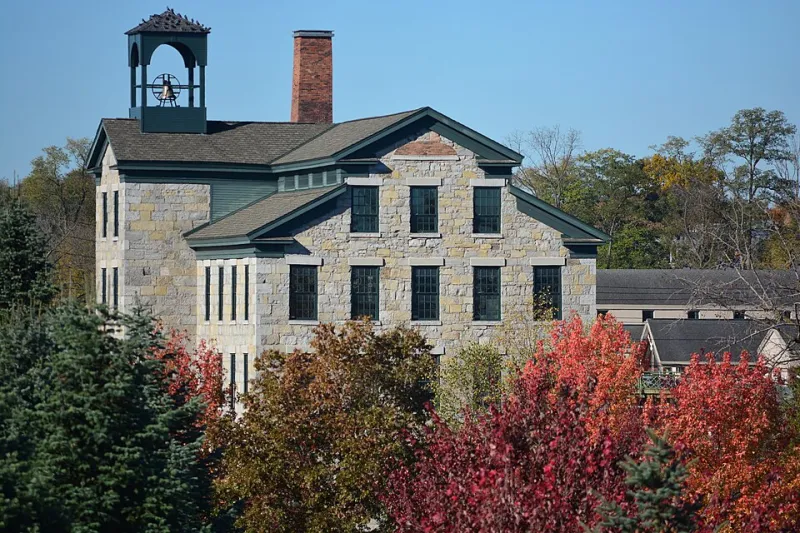
Photo: Didier Descouens, CC BY-SA 4.0, via Wikimedia Commons
Bell towers are not escape rooms. They are working places of worship, with ropes, bells, insurance policies and a tower captain who has strong views about people who touch things. That is precisely why they make such a good setting for a candlelit whodunit—provided you ask first. A mystery in the ringing chamber can be atmospheric, intimate and genuinely unusual. It can also be a health-and-safety seminar with bells on if you do not plan it properly.
First, Ask the Tower Captain (and the PCC)
Before you write a single clue, speak to the incumbent, the PCC and the tower captain. Explain that you want to stage a fictional mystery, not ring a peal, not film a horror film and not rearrange the bell chamber. Ask about access, insurance, capacity, toilet facilities and whether the tower has a working fire extinguisher. A church hall may be easier for the reception; the tower itself should be treated as a venue within a venue.
You will need a risk assessment. Keep it simple: numbers, access, lighting, cables, candles, rope safety, and what happens if someone needs to leave quickly. The ringing chamber is often up a narrow spiral staircase, which is charming in a brochure and awkward in an emergency. If any guest has mobility issues, offer a ground-floor role—the churchwarden, the secretary, the person who heard something in the nave—and let them join the denouement by radio or by having the suspects come downstairs. Do not make the tower an obstacle course.
The Plot: A False Peal and the Empty Rope
The story begins on a practice night. The tower captain has announced a quarter peal attempt—a serious thing, involving method, concentration and biscuits. The ringers take their places. The bells go up. Then, halfway through the first course, a false peal is rung: the method collapses, the ringing stops, and the newest ringer, Priya, is nowhere to be found. Her rope is set, her coat is on the hook, and her teacup is still warm. In the peal book, the entry for the evening has been altered in a different ink.
The suspects all know the ropes, literally. The Tower Captain wants the tower’s first peal in thirty years. The Steeplekeeper resents the new bell fittings and has been muttering about modern rubbish. The Secretary keeps the peal book and has a handwriting style that could be described as confident. The Visiting Ringer from the next village wants a method named after him. The Churchwarden wants the bells silenced before the neighbours complain. And Priya, the missing ringer, has been asking questions about an old peal board that does not quite add up.
Clues That Hang by a Thread
Build the clues into the tower’s own language. Ringers will recognise them; non-ringers will learn something. Use a mix so nobody feels excluded.
- The sally. The coloured wool grip on one rope has been replaced with a different shade. The Steeplekeeper ordered that wool. The Secretary’s notebook has a matching sample stapled to the page.
- The peal book. The altered entry is in black ink; the Secretary always uses blue. The Tower Captain’s pen is black, but his handwriting slopes the other way. The Visiting Ringer has a black pen and a motive.
- The ringing log. The times are recorded in handstrokes and backstrokes. One line has been crossed out and rewritten. The crossing-out matches the height of the Secretary’s desk, not the tower captain’s.
- The method diagram. A line has been erased from the blue line. Only someone who knew the method would notice. The Visiting Ringer notices immediately and says so, loudly.
- The tea rota. Priya’s name has been moved from milk to biscuits. This is not a clue, but it causes a surprising amount of argument.
Candles, Ropes and the Fire Risk
This is the part where we become boring on purpose. Bell ropes are natural fibres, often hemp, and they hang in draughts. Ringing chambers are full of old wood, dust, paper and people in woolly jumpers. Do not put naked flames anywhere near the ropes. Use LED candles in lanterns for the atmospheric lighting, and keep any real candle in a glass holder on a metal tray, well away from the rope circle, the peal book and the tea urn.
Check with the church about insurance and fire regulations. Keep exits clear. Do not drape fabric over lights. Do not put candles on the bell frame or anywhere you would need a ladder to reach. If the tower has no safe place for a real flame, use battery candles and say the word candlelit in the programme with confidence. The aesthetic is in the shadows, not the wax.
Bell-Ringing Etiquette for Mystery Hosts
A few rules will keep you on the right side of the tower captain.
- Do not touch a rope unless invited. This includes just holding it for a photo.
- Do not ring the bells unless you are a qualified ringer and have permission. A mystery is not a lesson.
- Sign the tower log. Bring biscuits. These are not optional.
- Arrive early, leave quietly, and do not run in the churchyard.
- Do not call it a peal unless it is a peal. A touch is a short piece of ringing; a false peal is a mistake. Use the words correctly and the ringers will trust you.
- Respect Sunday services and the neighbours. A candlelit whodunit at 10pm with the tenor tolling is not the community relations win you think it is.
The Denouement at the Final Toll
Time the reveal to the final toll. Ask the tower captain to ring a single bell—or play a recording if the tower is not available—at the moment the detective names the culprit. Gather everyone in the nave or the ringing chamber, depending on access. The detective walks through the clues: the sally wool, the black ink, the crossed-out log entry, the erased method line. The culprit is the Secretary, who falsified the peal book to protect the Tower Captain after a failed attempt years ago. Priya had gone to the vestry to fetch the original log; she was never missing, only thorough.
The Tower Captain confesses. The Visiting Ringer admits he would have done the same for a method named after him. The Churchwarden suggests a cup of tea. And as the final bell tolls, everyone agrees that the tower has had enough drama for one practice night. Then biscuits. Always biscuits.