Marrows, Motives and Mud: A Lantern-Lit Whodunit for the Allotment Society
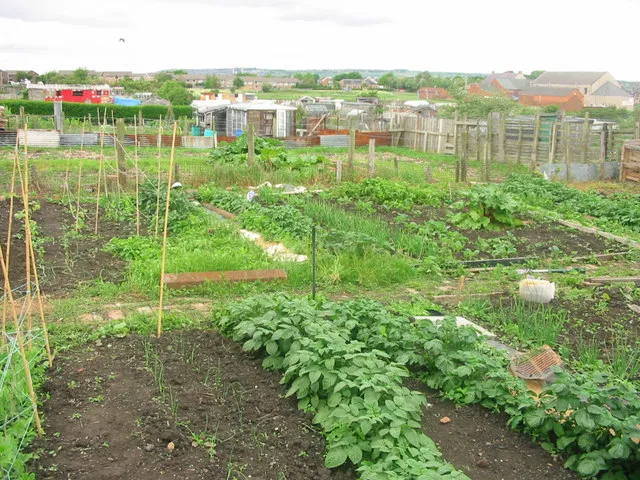
Photo: P Glenwright, CC BY-SA 2.0, via Wikimedia Commons
There is something wonderfully suspicious about an allotment after dark. The sheds become silhouettes, the runner-bean wigwams rustle ominously, and every fork left standing in a bed looks like it is waiting to be called as a witness. It is the perfect setting for a candlelit whodunit — or, more accurately, a lantern-lit one, because the last thing any allotment society needs is a mystery solved by the fire brigade.
First, Make Friends with the Committee
Before you start scattering suspicious seed packets about, book a slot with the allotment committee. They are the true gatekeepers of the site, and they have opinions about everything from bonfires to gate locks. Explain that you are staging a fictional mystery evening, not conducting an unauthorised excavation. Bring biscuits. It helps.
Ask about public liability insurance, access to the tea hut or pavilion, toilet arrangements, and whether the site has any rules about open flames. Many UK allotment sites have sensible restrictions, especially near dry sheds, netting and stored fuel. If the answer is no candles, embrace it. A polite note to plot-holders explaining that there will be lanterns, mild shouting and a fictional body on paper will prevent a real complaint on the noticeboard.
Cast Your Suspects from Plot-Holder Politics
Allotments run on quiet passion: prize marrows, seed swaps, compost protocol and the eternal question of who left the communal hose running. Use that energy, but keep it affectionate. Your suspects should feel like archetypes, not thinly disguised neighbours.
Consider the Committee Chair, who carries a clipboard and a Thermos of authority. The Prize Marrow Grower, who speaks of seaweed feed in hushed tones. The Seed-Swap Archivist, who knows exactly who returned last year's heritage bean packet. The Compost Monitor, who has strong views on banana skins. The New Plotter, full of raised-bed ambition. And the Tea-Hut Treasurer, who holds the biscuit tin and therefore the moral high ground.
Give each guest a suspect card with a motive, a secret and one excellent alibi involving a watering can. Fictionalise freely. If two real plot-holders have been feuding over rhubarb since 2019, resist the temptation to include it. Cosy suspense should end with laughter, not a special committee meeting.
Set the Scene Without Setting Fire to It
Candlelight is the brand, but safety is the plot device. Battery-powered lanterns, LED tea lights, solar path lights and strings of warm-white fairy lights will give you the glow without the risk. Enclosed storm lanterns look the part, provided they are stable, supervised and kept away from sheds, netting, dry grass and anything that has spent August turning into tinder.
Weather-proofing matters more than elegance. November evenings arrive early and damply. Use a gazebo or open-sided shelter for the briefing, laminate clue cards, clip clues to boards with bulldog clips, and put a torch in every team's envelope. Advise wellies, bring a flask of tea, and have a backup plan in the village hall or pavilion if the forecast turns properly British.
Hide Clues Where Allotmenteers Would Actually Look
A good clue should feel discovered, not planted. Tuck a seed tin label into the tea hut. Leave a plant marker with a suspicious date in the tool shed. Put a raffle ticket inside a clean compost bucket. Peg a note to the communal tap. Hide a twine-bound message behind the noticeboard, but clear it with the committee first — nobody wants an innocent note about slug pellets to become evidence.
Keep the clues simple and readable by lantern light. Use large print, bold numbers and a map of the plots. Avoid hiding anything in actual crops, water butts or locked sheds unless you have permission and a key. The aim is gentle intrigue, not a tetanus booster.
Keep the Plot Moving
Gather at dusk with a warm welcome and a clear briefing. Explain that a fictional crime has occurred, hand out suspect lists and send teams to their first interview. Station volunteer suspects at sheds or benches with lanterns and a one-page script. Give each team a time limit, then ring a bell or blow a whistle for the next round.
After the clue hunt, herd everyone to the finale spot — ideally a bench circle by the tea hut, lit by lanterns and smelling faintly of soup. The detective reveals the culprit, everyone groans happily, and prizes are awarded: a rosette for best deduction, a seed catalogue for most dramatic accusation, and a packet of radish seeds for anyone who guessed the under-gardener.
The Finale by Lantern Light
A candlelit whodunit on an allotment is less about perfect production values and more about atmosphere. Muddy boots, steaming flasks, a suspicious marrow and a committee-approved lantern circle can be far more memorable than a formal dining room. Keep the body fictional, the clues fair, the hot soup plentiful and the ending warm.
And when the last lantern is switched off, remember the golden rule of allotment mystery nights: leave the site as you found it, thank the committee, and do not — under any circumstances — leave a fake severed hand in the compost. Someone will plant it.