Ramp Up the Suspense: A Wheelchair-Friendly Guide to Candlelit Whodunits
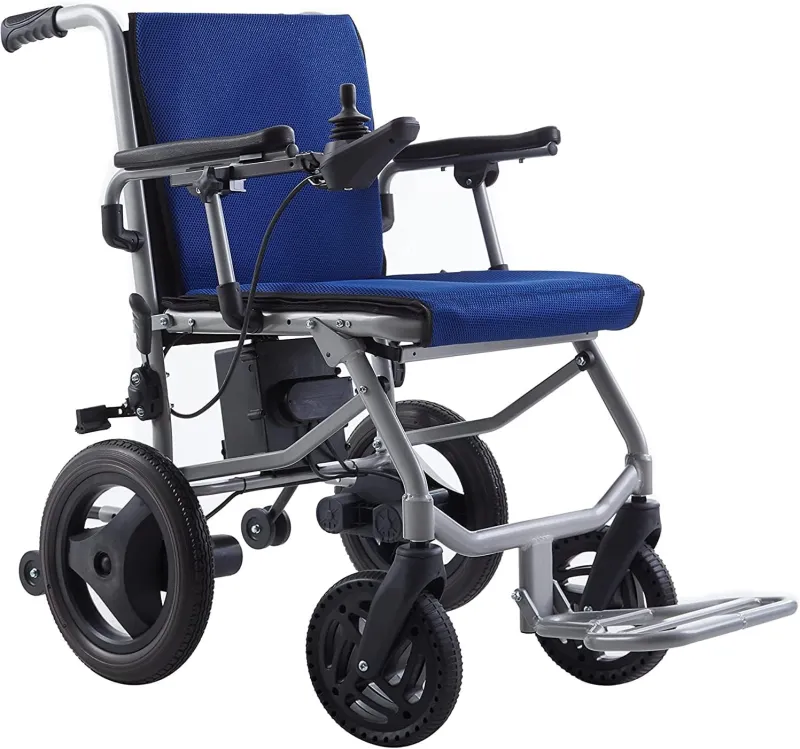
Photo: wheelchair accessible candlelit murder mystery party table village hall UK, via m.media-amazon.com
There is a particular kind of silence that falls over a room when the lights dim, the candles flicker and somebody announces that a body has been found in the conservatory. It is a lovely silence. It is also a silence that should be available to everyone, including the guest who has just arrived in a wheelchair and is now eyeing a narrow corridor, a steep step and a clue tucked on a high mantelpiece with understandable suspicion.
Accessibility is not the enemy of atmosphere. It is not a fluorescent overhead light switched on halfway through the denouement. It is simply good hosting, with a little more forethought and a lot less assumption. The aim is not to create a separate, gentler mystery for disabled guests. The aim is to create one excellent mystery that everybody can investigate, argue about and eventually solve with the wrong person.
Start with the venue, not the victim
Before you write a single character or sharpen a single accusation, check the room. A village hall with a ramped entrance, wide doors, an accessible loo and a car park that does not resemble a rally stage is a far better setting for suspense than a gorgeous listed building where half the party is stranded at the foot of a staircase.
Ask specific questions when you book. Is the entrance step-free, and does that include the route from the car park rather than just the front door? Are the doorways wide enough for a wheelchair, and are there any temporary thresholds, cable covers or festive rugs that will become trip hazards? Is there an accessible toilet, and is it actually open rather than being used as a store cupboard for folding chairs? If the venue has a Changing Places facility nearby, even better. If not, be honest about what is available so guests can plan.
For UK venues, ask for an access statement. Many halls, hotels and community centres have one, even if it is buried in a PDF from the last refurbishment. If it does not exist, ask for photographs of the entrance, the loos and the main room. A helpful venue manager will understand. A venue manager who sighs heavily is giving you useful information about the likely tone of the evening.
Seating that keeps everyone in the frame
A murder mystery is a piece of theatre with paperwork. If half your cast is craning to see a suspect who is hidden behind a pillar, the drama leaks away. Arrange seating in a loose horseshoe or cabaret layout, with clear routes through the middle and enough space for a wheelchair to turn without executing a three-point turn into the drinks table.
Do not park disabled guests at the back like a forgotten witness. Put them in the thick of it, with sightlines to the main playing area, the clue board and the host. Keep a clear bay beside them for a companion if they have one, and avoid boxing anybody in with a wall of chairs. A simple rule: if the emergency exit route is blocked by your seating plan, so is somebody's enjoyment.
Tables should be at mixed heights where possible. A low coffee table is hopeless for a guest using a wheelchair and a high bar table is no better. Standard dining tables with removable chairs are usually the most flexible. If you are using clipboards, make sure they fit comfortably on a lap or a table edge. If you are using candlelit centrepieces, keep them away from the edge and away from sleeves, scarves and the general chaos of an accusation.
Clues at eye level, and lower
The clue is the beating heart of a whodunit. Hide it badly and the mystery collapses. Hide it somewhere only an ambulatory guest can reach and you have created a different kind of puzzle: who gets to play?
Place clues at a range of heights, including table level and lap level. Use trays, folders and small boxes that can be passed around. If a clue must be pinned to a wall, put it somewhere reachable without stretching, stepping or climbing. Avoid putting crucial information on a high shelf, inside a low cupboard or at the top of a staircase unless you are also providing a duplicate. A duplicate is not cheating. It is good stage management.
Consider formats. Large-print clue cards, clear fonts and decent contrast help more guests than you might think. If you are using audio clues, provide a written transcript. If you are using a handwritten letter, type it up as a supplementary card. If you are using a prop that is meant to be examined, make sure it can be handled by someone with limited grip or dexterity. The joy of a clue is in the deduction, not in the ability to uncork a tiny glass bottle.
Lighting without trip hazards
Candlelight is the brand, but real candles plus a wheelchair plus a crowded room is a recipe for a visit from the fire service and an extremely awkward insurance conversation. Use flameless candles, dimmable lamps and battery-powered tea lights. They look convincing enough once the room is dark, and they do not set fire to the clue cards.
Keep cables taped down or routed away from walking and rolling routes. Avoid loose rugs, trailing tablecloths and dramatic floor-level props that are only visible to the person who put them there. If you are using a spotlight or a lamp to pick out a suspect, make sure the beam does not shine directly into anyone's eyes. The atmosphere should be mysterious, not interrogative.
Sound is your friend here. A creaking door, a distant clock, a muttered alibi from behind a screen: these can do more for suspense than a hundred candles. And they are accessible to everyone in the room, regardless of where they are sitting.
Roles that do not require pacing
A common mistake is to assume that every character must stride about, point accusatorially and slam a door. Some of the best suspects are magnificently static. Give the wheelchair user a role with bite: the archivist who knows what was in the will, the telephone witness who heard the argument, the forensic accountant with a grudge and a calculator, the timekeeper who can prove exactly when the library clock stopped.
Physical movement is not the same as dramatic presence. A character can command a room from a chair. In fact, a suspect who never moves can be deeply unsettling. Why are they so calm? What are they hiding? Who has been bringing them tea?
Make sure any role instructions are clear and flexible. If a character is supposed to enter from the hall, offer an alternative entrance. If a clue is supposed to be discovered under a table, have it handed over by another guest. If the finale involves everyone gathering around a clue board, make sure the board is visible from every seat. Nobody should have to miss the denouement because the drawing room has a quirky layout and a pompous staircase.
The movement-free reveal
The reveal is where amateur whodunits often go wrong. The host stands at the front, reads a long explanation and everyone else sits politely. That is not a finale. That is a lecture with a body count.
Build the denouement around contributions from the whole room. Ask guests to read their clues aloud, compare timings or hold up their accusation cards. If someone cannot easily move to the front, bring the action to them. A suspect can be confronted at their table. A final clue can be passed around. A confession can be delivered from a chair with devastating calm.
And do not forget the quiet room. A cosy mystery is thrilling, but it is also a long evening. A nearby space where a guest can take a break from noise, lighting and social performance is not a luxury. It is good hospitality. Put a chair in it. Put a glass of water in it. Put a sign on the door that says 'No Suspects'.
Atmosphere is not an excuse
Candlelit whodunits are about cunning, not compromise. The flicker of a battery candle, the rustle of a clue card, the moment everyone turns to the quiet guest in the corner and realises they have been holding the answer all along: none of that depends on whether a guest can manage a staircase.
Accessibility is simply the work you do before the guests arrive so that the mystery can do its work once they do. Check the venue. Space the chairs. Lower the clues. Ditch the real flames. Give every suspect a reason to be in the room, and every guest a way to take part. Then dim the lights, lower your voice and let the chills do the rest.