Shelf Suspicion: Turning a Second-Hand Bookshop into a Cosy Crime Scene

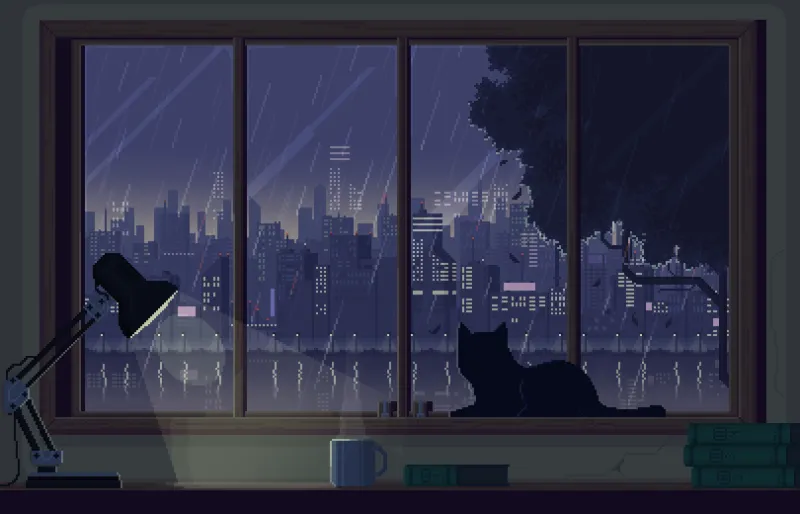
Photo: cosy second-hand bookshop candlelit interior after hours, via static.elsevier.es
Second-hand bookshops are already crime scenes waiting to happen: narrow aisles, unreliable lighting, a cat with a suspicious alibi and a smell of paper, dust and somebody's forgotten tea. For a candlelit whodunit, they are almost unfair. The shelves do half your set dressing, the stock supplies your props, and the owner is either your greatest ally or the first person to ask what you plan to do about the insurance.
The Owner Is Not the Villain
Start with a polite email or an actual conversation across the counter. Explain that you want to hire the shop after hours for a private murder-mystery party, that there will be no real flames near the stock, no red wine, no fake blood and absolutely no one climbing the shelves. Offer a damage deposit, confirm your public liability insurance, and ask what the owner would prefer you avoid. The answer will usually be: the rare books, the till and the cat.
Choose a Monday or Tuesday evening when the shop is closed. Invite the owner to stay as a guest, or better, as a suspect — 'The Proprietor with a Grudge Against Dog-Ears' is a role that writes itself. Keep the guest list small enough to turn around in the aisles. A bookshop is atmospheric; it is not a nightclub.
Use the Stock, Do Not Wound It
The joy of a bookshop setting is that every shelf is a prop cupboard. Face-out titles can form a daft clue: three books whose titles begin with the same letters, or a row of crime novels interrupted by a cookery book. Use books from the sale shelf or stock the owner has approved, and never deface a cover.
Paper is your friend. Slips, bookmarks, old receipts, catalogue cards and 'reserved' notes can carry clues without leaving a mark. Put any clue inside a protective sleeve before tucking it near a spine. If you want a fake dust jacket, make it from a removable paper wrap and keep it away from rare stock. Treat the books as guests: no food on the shelves, no drinks on the returns trolley, and no one using a first edition as a coaster.
Clues in the Spines
Bookshops let you hide clues in plain sight. A bookmark with a cipher can sit in a specific title. A 'mis-shelved' book can be the first in a sequence: Crime, Travel, Gardening, Local History — the sections spell a route. Spine colours can flag a suspect. Page numbers on a till receipt can point to a passage. A stack of three books by the door can be an alibi.
For younger detectives, use picture bookmarks and simple 'find the odd one out' shelves. For older players, give them a catalogue card with a missing call number and let them work the shelves. Provide battery book lights so nobody is squinting by a real flame. The pleasure is in the hunt: the rustle of paper, the hush between aisles, the moment someone pulls out the wrong book and finds the right clue.
Atmosphere Without Arson
Candlelight in a bookshop needs a firm hand. Real candles are a beautiful idea and a terrible practical one when surrounded by paper. Use battery pillar candles in glass lanterns, warm fairy lights, and low table lamps. Put a flameless candle inside a jam jar and it will look convincingly Victorian without threatening the local history section.
Scent the room gently — beeswax, old paper, a cinnamon stick in a mug — but keep oils and sprays away from stock. Clear the aisles, tape down any cables, and keep fire exits obvious. A paper-scented atmosphere is lovely; a paper-fuelled one is not.
Five Bookshop Plots Without Fake Blood
-
The Vanishing First Edition. A signed first edition disappears during a private viewing. The suspects are the collector, the archivist, the owner and a rival bookseller. Clues live in a catalogue with one deliberately wrong date and a bookmark left in the poetry section.
-
The Wrong Dedication. A local author signs copies at the shop, then a book is found dedicated to a person who does not exist. The motive is old, the alibi is shelved under Fiction, and the murder is entirely off-page.
-
The Overdue Guest. A travel writer fails to appear at a book club meeting. Her coat is on the hook, her bookmark is in the Atlas, and her last note mentions a 'borrowed' map. No blood, just a very awkward committee.
-
The Book Club Betrayal. The monthly read is a novel that mirrors a real village scandal. One member is found 'dead' in the crime aisle — theatrically, not literally — and everyone has a bookmark-shaped reason to lie.
-
The Last Chapter. A reclusive novelist dies just before the final manuscript is delivered. The suspects are the editor, the agent, the neighbour and the shop's own cat (as a witness). The solution turns on a misbound chapter and a tea stain that is not tea.
Each plot needs a denouement in the poetry section, preferably by battery lantern, with the culprit asked to explain themselves while everyone sits on the floor. Bring a thermos of tea, a tin of biscuits and a lint roller for the cat hair. Leave the shop exactly as you found it, except for the guest book, which should include at least one entry saying 'I suspected the bookseller'.